

Whether you are naming a business or naming a product, set your criteria first, generate options in a small group, score them, check availability and test the best few. This order saves time, because it stops the team falling for a name it cannot use. This guide covers what makes a good name, the main types of brand names and a seven-stage naming process. It also explains how product naming differs from naming a company and which mistakes to avoid.
How to come up with a brand name
The fastest way to a strong brand name is a clear order of work: criteria, ideas, scoring, checks, testing and a final decision.
How do you name a brand?
Write a short naming brief with your criteria, research competitors and customers, then generate a long list in a small group. Score the list against your criteria, check trade marks, business names and domains for the shortlist, test the final few with customers, and decide.
Naming is part of your verbal identity, alongside your tagline and tone of voice. It sits inside the wider work on brand identity, so the name should fit the strategy and the look that follow.
Define the decision before opening a name generator
Start by writing down the business decision your name needs to support, rather than collecting attractive words. A new business needs room to establish meaning, while an established business must consider what customers already recognise.
Finish this sentence in a shared document: Our name should help [customer] associate us with [quality] when choosing [offer]. Replace broad qualities such as excellence with something customers can recognise, such as patient guidance or practical simplicity.
Use that sentence to judge whether naming is actually the problem. If customers understand the name but misunderstand your service, a clearer description might solve the issue.
Separate requirements from preferences before asking anyone for ideas. A requirement can remove a candidate; a preference helps compare candidates that remain suitable.
Requirement
The name must make sense when spoken during a customer enquiry.
Preference
The owner would like a connection to the business's coastal origins.
Unresolved question
The team needs to establish whether future customers would understand that connection.
Give someone responsibility for recording the decision, including why rejected options failed. Otherwise, an attractive discarded name can return at every meeting without anyone remembering the original problem.
Keep your working shortlist in a free Google Sheet, with a separate column for unresolved questions. Mark unknowns clearly rather than assuming silence means approval.
Finish each discussion with an action attached to a name, such as testing pronunciation or investigating a confusing association. This turns naming from an open conversation into a set of decisions the owner can actually make.
Turn your brief into useful creative boundaries
A useful naming brief describes situations where the name will appear, alongside the audience and desired personality. Include ordinary moments such as answering the phone, sending an invoice and being recommended by a customer.
Hypothetical example: A Brisbane garden maintenance business wants to attract busy homeowners who value dependable, thoughtful care. Its owner expects to add courtyard planting, so a name focused entirely on mowing would become restrictive.
| Brief field | Hypothetical answer | How it guides the names |
|---|---|---|
| Customer situation | Homeowners want an outdoor space they can enjoy | Explore ease, care and everyday outdoor living |
| Desired impression | Approachable, capable and attentive | Avoid grand or technical language |
| Current offer | Regular garden maintenance | Keep a recognisable connection to gardens |
| Future offer | Courtyard planting and garden advice | Avoid names limited to lawns |
| Main spoken use | Recommendations between neighbours | Prefer words people can repeat naturally |
| Words to avoid | Cheapest, luxury and instant | Avoid promises outside the intended position |
Ask the owner and anyone handling enquiries to complete the brief independently, then compare their answers. Differences often reveal a positioning question that a naming workshop cannot resolve on its own.
For instance, an owner may want a premium impression while the sales team emphasises affordability. Resolve that tension by describing the intended customer experience, rather than compromising on a vague adjective.
Save the agreed brief above the name list in your document. When someone proposes a candidate, ask which part of the brief it answers and where it might struggle.
Add a boundary for future growth that reflects a credible business plan. Trying to accommodate every imaginable service can strip the name of any useful meaning.
Revisit the brief only when you learn something material about customers or the business. Changing it to rescue a favourite name makes the evaluation unreliable.
What makes a good brand name
A good brand name is easy to say, easy to remember, different from competitors and available to register and use.
Use these seven criteria to judge every option. Write them down before the brainstorm, so they become your scoring sheet.
- Easy to say and spell: People should be able to say it after reading it, and type it after hearing it.
- Memorable: Short names, familiar sounds and a clear image help people recall it later.
- Distinctive: It should stand apart from other names in your category, not blend in with them.
- Fits the brand: The tone of the name should match your personality, whether serious, playful or premium.
- Works in target markets: It should not mean something awkward or negative in the languages of your customers.
- Can be registered: You should be able to register it as a trade mark and a business name, and get a usable domain.
- Can grow with the business: It should still fit if you add products, services or new markets.
No name scores perfectly on all seven. Agree which criteria matter most before you score, so the decision does not drift towards the loudest opinion.
Get the brand name scoring sheet
Enter your details and we will send the Excel scoring sheet to your inbox.
Make the score explainable
Use weighted scores to expose tradeoffs, then keep unresolved availability questions outside the total. A strong creative score cannot cancel a serious conflict discovered during checks.
Hypothetical example: The garden business uses the following scoring model for a working candidate, Courtyard Kind. The name is an illustration, with no claim that it is available or suitable for registration.
For this hypothetical exercise, score each quality from 1 to 5, where 1 means weak and 5 means strong. Require a short observation beside each score so the result has something concrete behind it.
| Quality | Hypothetical weight | Hypothetical score | Weighted points |
|---|---|---|---|
| Easy to say and spell | 25 | 4 | 100 |
| Memorable | 15 | 4 | 60 |
| Distinctive | 20 | 3 | 60 |
| Fits the brand | 20 | 5 | 100 |
| Works in target markets | 10 | 4 | 40 |
| Can grow with the business | 10 | 3 | 30 |
| Total | 100 | 390 |
Formula: Weighted result = sum of weighted points divided by total weights.
Hypothetical calculation: (100 + 60 + 60 + 100 + 40 + 30) / 100 = 3.9 out of 5.
In Google Sheets, multiply each weight by its score, add those products, then divide by the weight total. Keep the original scores visible, because matching totals can hide very different weaknesses.
Here, the growth score deserves discussion because courtyard language might narrow expectations about larger gardens. The distinctiveness score also needs research, rather than an assumption based on how unfamiliar the name feels internally.
Replace those provisional opinions with observations after customer testing and competitor research. Record whether a score changed because of evidence or because the team reconsidered its priorities.
These weights and scores are hypothetical choices, not industry benchmarks. Keep registration and usage questions in a separate review column, and resolve them before committing to a candidate.
When reviewers disagree, compare their reasons before averaging their scores. Someone who regularly answers customer calls may notice a pronunciation problem that a designer reading the name has missed.
Types of brand names
Most brand names fall into six types, and each type trades meaning against distinctiveness in a different way.
| Type | How it works | Examples | Strengths | Watch-outs |
|---|---|---|---|---|
| Descriptive | Says what the business does | Booking.com, PayPal | Instantly clear | Hard to protect, can feel generic |
| Suggestive | Hints at a quality or feeling | Nike | Memorable with meaning | Needs some explaining at first |
| Invented | A new word with no set meaning | Google, Spotify | Easy to protect and own online | Needs marketing to build meaning |
| Compound or blended | Joins two words or parts of words | Photoshop, WhatsApp | Clear and distinctive together | Can become long or clumsy |
| Acronym | Uses initials of a longer name | IKEA, BMW | Short and neat | Means little to new customers |
| Founder or place | Uses a person or place name | Adidas | Personal and authentic | Harder to sell or expand later |
Descriptive names feel safe, but they are often hard to register because they describe the service. Invented and suggestive names take more effort at launch, yet they are usually easier to protect. Choose the type before you brainstorm, so the group works in the same direction. Mixing types on one long list is fine, but compare like with like when you score.
Develop names from a meaning, then change the form
Choose an idea you want customers to associate with the business before trying different naming styles. This gives descriptive, suggestive and invented options a shared purpose, making comparisons more useful.
Hypothetical example: The garden business chooses attentive care as its creative direction and explores words associated with tending and growth. It also collects images such as sheltered courtyards, healthy shoots and gardens that invite people outside.
Write these associations in separate columns, then experiment with combinations and shortened phrases. Keep the original words beside each candidate so you can explain the connection without inventing a story afterwards.
| Naming approach | Hypothetical working candidate | Question to investigate |
|---|---|---|
| Descriptive | Brisbane Garden Care | Does it blend into the local category? |
| Suggestive | Kindly Grown | Does it sound like gardening or a food business? |
| Compound | Courtyard Kind | Does it imply that only small gardens are served? |
| Invented | Tendora | Can someone spell it after hearing it? |
These are creative exercises, not recommended names. Their value lies in exposing different communication problems before the business spends money on identity work.
Read every candidate without its explanatory paragraph. If the connection only works after a lengthy story, decide whether you can support that explanation wherever customers encounter the name.
Use a plain service descriptor beneath a suggestive name when the category is otherwise unclear. Keep that descriptor separate so it can evolve without forcing another naming project.
An invented word also deserves a spoken test before it receives a visual treatment. Ask someone unfamiliar with the brief to read it aloud, then compare their pronunciation with yours.
Return promising ideas to the brief rather than choosing the most unusual option automatically. Distinctiveness helps only when the name still supports the impression and customer understanding you need.
The brand naming process, step by step
A naming project runs best in seven stages, and each stage produces something the next stage needs.
Brief
Write the naming brief and criteria, then research competitors and customers.
Generate
Create a long list in small groups and score it.
Decide
Test with customers, then choose and protect the name.
Stage 1: Write a naming brief and criteria
The naming brief keeps everyone focused. It should summarise your positioning, audience and personality, plus the markets and languages that matter.
- Include: What the name must say or suggest, the tone, the type of name you prefer and words to avoid.
- Output: A one-page brief with weighted criteria from the list above.
Stage 2: Research competitors and customers
Collect competitor names from your direct rivals and from the businesses customers compare you with, then look for patterns. If every competitor uses the same word, avoid it. Listen to the words customers use for their problem, because they can spark ideas.
- Output: A list of category patterns to avoid and customer words to explore.
Stage 3: Generate names in small groups
Small teams of two to four people produce more varied ideas than one big meeting, where people drift towards safe options. Work in themes, such as benefits, feelings, places or invented sounds. Build word lists for each theme first: synonyms, related images, Latin or Greek roots and words customers use. Then combine, shorten and blend them. Aim for a long list before judging any option, because early criticism stops people suggesting bolder ideas.
- AI name generators as a starting point: They can widen the list quickly, but treat their output as raw material. Every option still needs criteria, checks and testing.
- Output: A long list grouped by theme.
Stage 4: Shortlist with a scoring sheet
Each person scores the long list alone against the weighted criteria. Then combine the criteria scores and discuss only the top results. This avoids voting on favourites and gives quieter team members an equal say.
- Output: A shortlist of 10 to 15 candidates, then 3 to 5 for checking.
Stage 5: Check trade marks, business names and domains
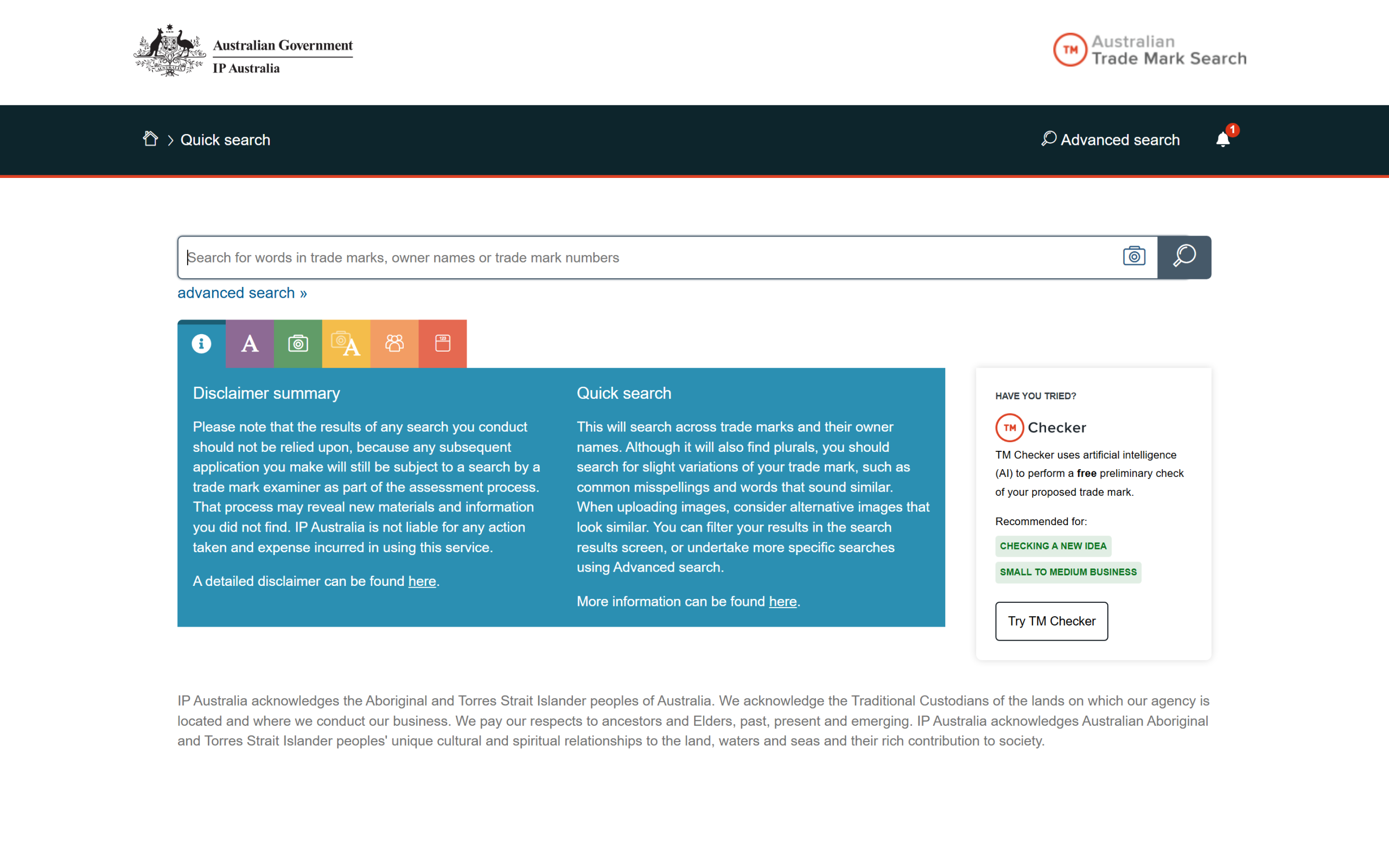
Check availability before anyone gets attached to a name. In Australia, start with IP Australia's trade mark search to see whether similar marks exist for the same goods or services.
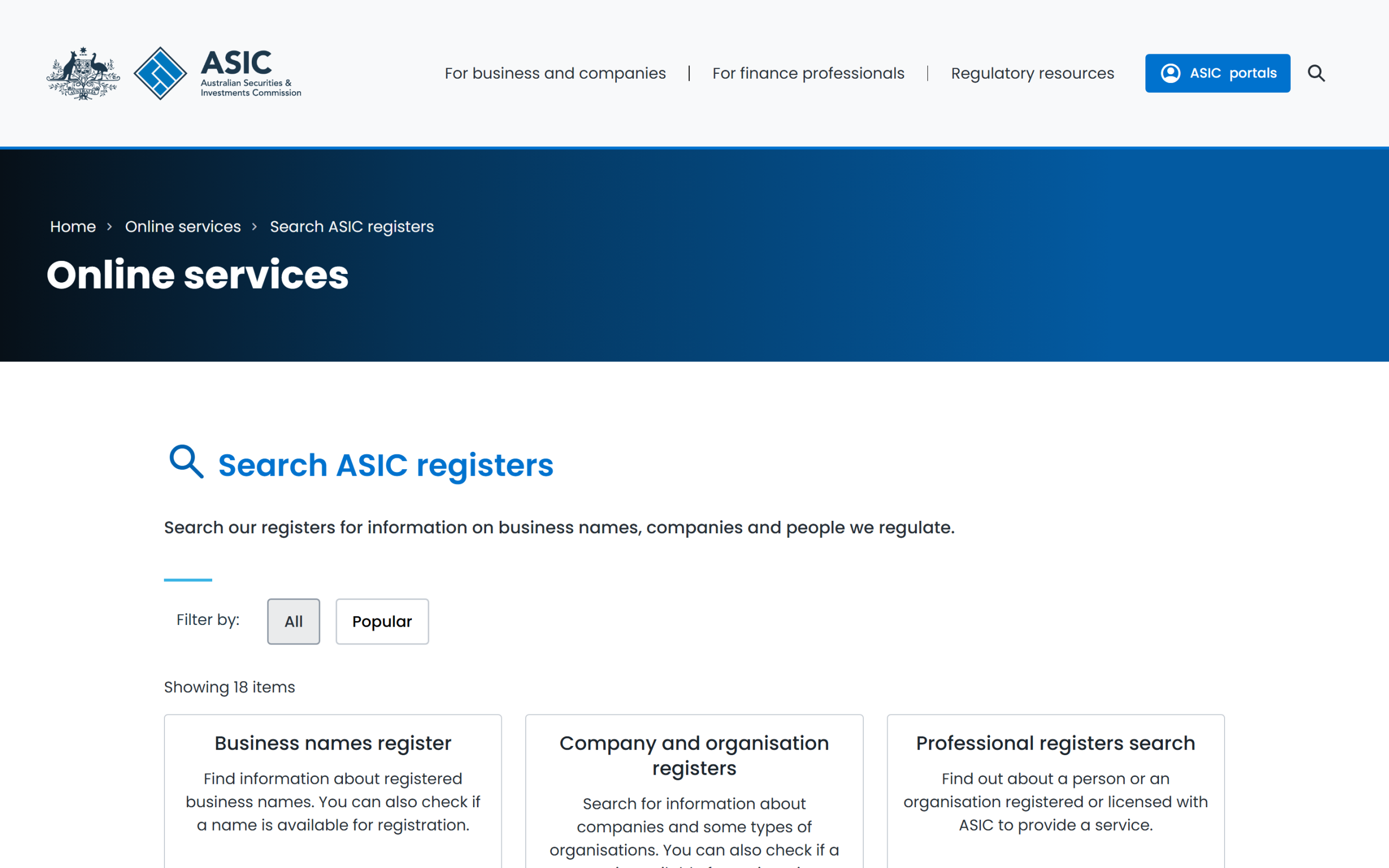
Then search the business names register through ASIC's register search. Registering a business name with ASIC does not give you trade mark rights, so do both checks.
- United States: Use the USPTO trade mark search.
- Domains and handles: Check the domain and the main social media handles you need.
- Legal advice: Ask a trade mark attorney to review the final names before you commit, because similar names in the same class can still cause problems.
- Output: A list of names that are clear to use, with notes on any risks.
For other markets, the WIPO Global Brand Database searches trade mark registers from a large number of countries in one place. In short, use the IP Australia trade mark search for rights, the ASIC business names register for trading names, and remember that business name registration is not a trade mark.
Stage 6: Test with customers and in other languages
Show the final names to a few customers in context, such as on a mock homepage or a product label. Ask what each name suggests and which one they remember the next day. Check the linguistic and cultural meaning in target markets with native speakers, including slang and how the name sounds aloud.
- Say and spell test: Say the name aloud and ask people to type it, which shows spelling problems fast.
- Output: Notes on recall, meaning and any language issues for each name.
Stage 7: Decide and protect the name
Make the final choice by picking the name that scores best and passed every check. Then protect it straight away.
- Register trade mark protection by filing an application in each market you need.
- Register the business name, then secure domain and handles on the platforms you use.
- Brief the designer, so the logo and identity are built around the name.
Keep a check log that another person can follow
Record the exact candidate, search wording, date, source and observation for every check you complete. Include spacing variations and plausible misspellings so another reviewer can understand what you actually investigated.
A blank results page should produce a factual note about that search, not a declaration that the name is legally safe. Flag uncertain similarities for professional review instead of trying to resolve them through a creative score.
Save relevant result links in your internal working document, alongside questions that still need answers. This keeps the review useful when the shortlist changes or someone joins the project later.
Ask customers for observations before preferences
Recruit people who resemble the intended customer and explain that you are testing names, without selling your preferred option. Avoid opening with the founder's story, because it supplies meaning the name might not communicate independently.
Use the same plain presentation for every candidate, including type size, colour and service description. A polished logo beside an undecorated alternative tests the design treatment as much as the name.
Capture first impressions
Ask what kind of business the name suggests before revealing the service description.
Check practical use
Ask participants to say the name and explain how they would mention it to a friend.
Record the evidence
Save the participant's wording before adding your own interpretation of the response.
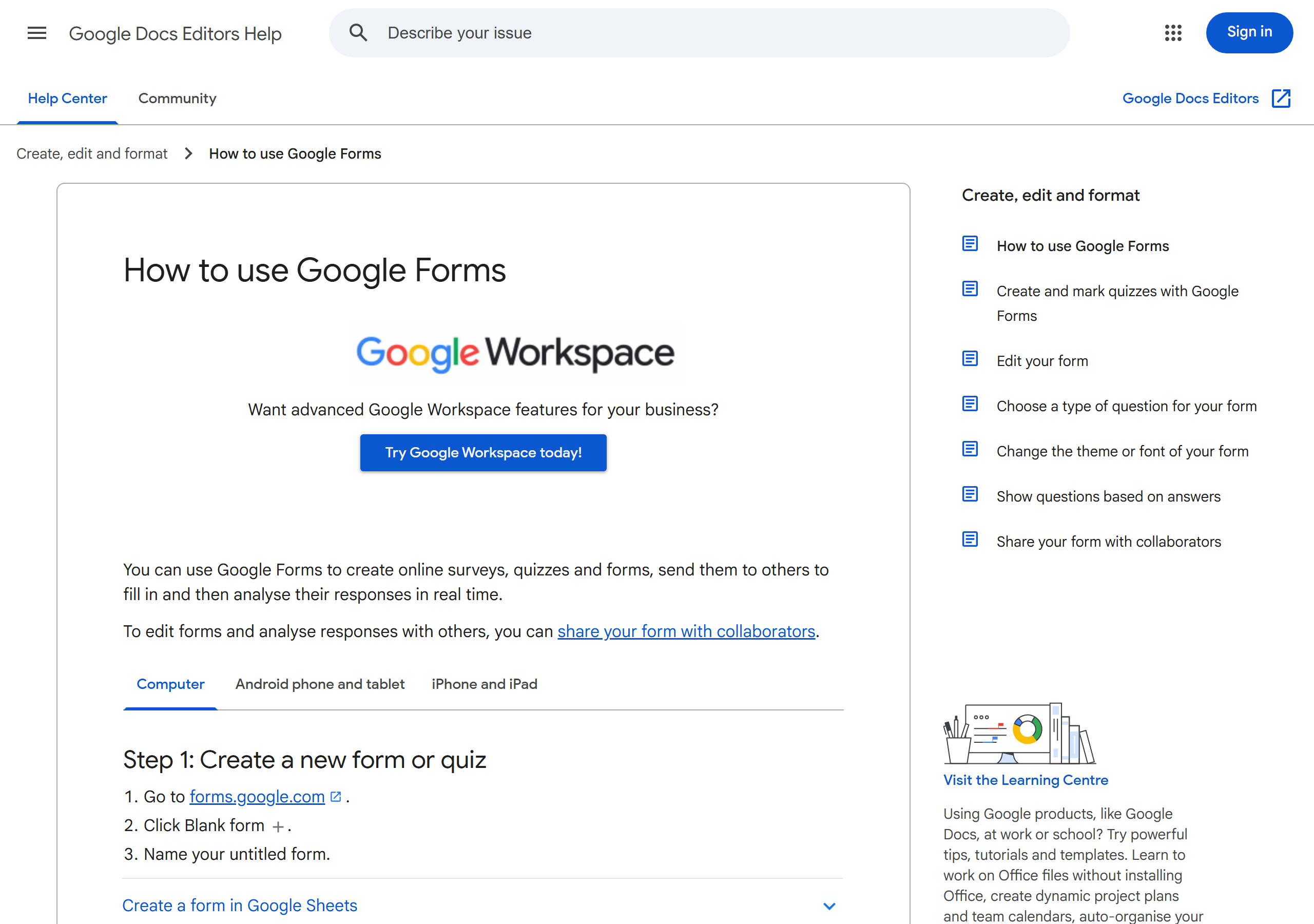
Use a free Google Forms questionnaire to collect written responses consistently. Google's Forms guide explains creating a form and reviewing responses, including opening them in Google Sheets.
Keep written interpretation separate from the spoken exercise, since typing cannot reveal every pronunciation issue. Change the presentation order between conversations so the same name does not always receive the first reaction.
Turn feedback into a decision
Hypothetical example: Participants associate Kindly Grown with vegetables, while Courtyard Kind prompts questions about whether the business handles larger properties. Neither observation automatically rejects a name, but each identifies a communication problem to investigate.
Try the service descriptor alongside each candidate and check whether the misunderstanding remains. If the explanation needs constant repair, return to the creative list instead of defending the original idea.
Keep separate notes for dislike, confusion and practical failure. A participant disliking a sound is different from repeatedly typing a name incorrectly or mistaking the business for a competitor.
When the evidence conflicts, ask which issue would most disrupt an actual enquiry or recommendation. Use that consequence to guide further testing, rather than declaring the most enthusiastic response the winner.
Record the chosen name, remaining conditions and person responsible for each final action. Give the designer the approved spelling, pronunciation, descriptor and rationale so the identity work begins from a settled decision.
Close the gaps before committing
Use an explicit status for each candidate, such as researching, awaiting review, rejected or ready for decision. Attach an owner to anything unresolved, including domain access, language questions and uncertainty about a similar existing business.
Do not interpret a delayed reply as agreement from a reviewer. Follow up with the specific question they need to answer, and keep the candidate conditional until that answer arrives.
If every finalist has a serious weakness, revisit the creative direction that produced them. Generate alternatives around a different customer benefit instead of repeatedly changing the spelling of the same unsuitable word.
Keep the rejected candidates in a separate tab, with reasons attached. That record helps future collaborators understand why apparently obvious options were not selected.
Naming a product vs naming a company
Naming a product follows the same process, but your brand architecture decides how much freedom the name has.
A company name has to cover everything the business does now and later. A product name only has to work for one offer, but it must sit well beside the company brand. Your brand architecture sets the rule:
- One master brand: Products use descriptive product names under the parent brand, such as a plan or service tier.
- Endorsed products: Products get their own names but show the company name nearby.
- Separate brands: Products get fully independent names, which costs more to build and protect.
For a product line, decide the naming pattern once and reuse it. A clear pattern, such as numbers, tiers or a shared prefix, makes new products easier to name and easier for customers to understand.
Write naming rules that survive your next launch
Build a small naming register before introducing another service or product. Record the parent brand, customer-facing offer name, plain description and where the name will appear.
This exposes inconsistent patterns, such as mixing emotional names with technical labels for otherwise comparable services. Customers should understand the relationship without learning your internal business structure.
Hypothetical example: The garden business keeps its company brand visible and uses descriptive names for services. Garden maintenance, courtyard planting and seasonal garden advice describe different jobs without creating separate identities for each offer.
An internal scheduling code can still identify each service behind the scenes. Keep that code away from customer navigation unless it helps customers make a meaningful choice.
| Naming rule to fill in | Your decision |
|---|---|
| Parent brand placement | Write where it must appear beside the offer |
| Offer naming pattern | Choose the shared grammatical structure |
| Category descriptor | Write the plain words customers already understand |
| Future additions | Describe how another offer would fit the pattern |
| Approval owner | Name the person who checks consistency |
Test the pattern by drafting an offer you might realistically introduce later. If the new name needs an exception immediately, simplify the rule before it becomes embedded in sales materials.
Read the names together on a plain website menu and a quotation. Check whether customers can distinguish the offers without opening every description or asking your team to translate.
Avoid using a premium-sounding name to conceal an unclear difference between service packages. Define the practical difference in scope first, then choose labels that help people understand it.
Once the naming pattern is settled, our design team can help express the relationship through visual identity and hierarchy. Supply the naming register with the brief so new materials follow the same rules.
Naming mistakes to avoid
Most naming problems come from skipping steps, especially criteria and availability checks.
- Voting on favourites: The most popular name in the room is often just the most familiar one. Score against criteria instead.
- Falling in love before checks: A name that fails a trade mark search wastes weeks. Check early.
- Too literal: A purely descriptive name is hard to protect and easy for competitors to copy.
- Hard to spell: Creative spellings cause lost emails and failed searches.
- Ignoring other languages: A name can carry an unwanted meaning in a market you plan to enter.
- Chasing an exact domain: A clear modifier, such as "get" or "hq", is usually better than a weak name with a perfect domain.
If the name is part of a wider rebrand or launch, it helps to plan naming, identity and website together. You can contact our team to talk through the scope.
Check the name in ordinary business materials
Paste each finalist into an email signature, invoice heading, appointment reminder and plain website header before approving it. Look for awkward abbreviations, accidental word combinations and a descriptor that becomes unreadable at ordinary viewing sizes.
Write the proposed domain as an unbroken lowercase string and ask someone unfamiliar with it to read it. Spacing that looks obvious in a logo disappears in an email address or web address.
Check the sender name in a test email as well as the signature inside it. A customer should be able to connect the message with the business they contacted.
If a name requires unusual capitalisation to make sense, test it without that formatting. Customers will encounter it in systems where your preferred typography is unavailable.
Keep the website name consistent at launch
Use the approved wording consistently in the homepage, brand assets and handover notes for your website team. Keep service explanations nearby rather than continually expanding the business name with extra descriptive phrases.
Google's site name guidance recommends a concise, distinctive name used consistently across the homepage. It explains that Google generates site names automatically, so your preferred wording is not guaranteed to appear.
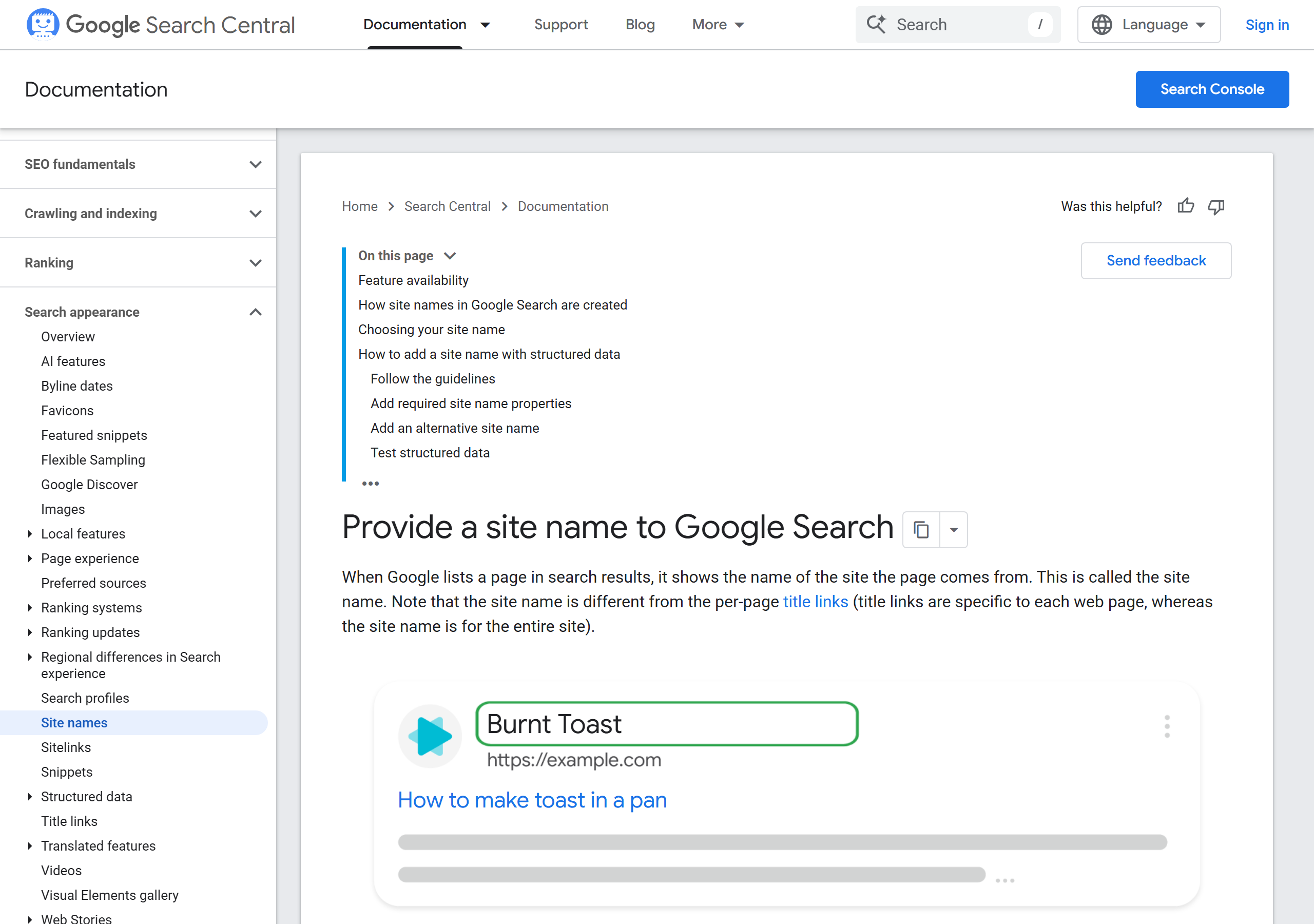
Ask the developer to check the homepage's site name settings against the approved brand wording. Include this check in the launch handover so an old working name does not survive inside the website configuration.
Avoid accidental variations after approval
Create a short usage note specifying spacing, capitalisation and whether a descriptor belongs beside the name. Give it to anyone preparing invoices, proposals, signage or customer messages, including external suppliers who create branded materials.
Ask suppliers to copy the approved wording directly rather than retyping it from a logo image. Review a real sample from each system before sending materials to customers or approving production.
When a variation appears, correct the source template as well as the individual document. Otherwise, the same mistake can return whenever someone creates another invoice or proposal.
Frequently asked questions
How long does it take to name a brand?
A small business can usually name a brand in two to six weeks, including checks and a simple customer test. Larger launches across several markets often take longer, because legal checks and language reviews take time.
Does the domain have to match the brand name exactly?
No. An exact match is nice to have, but a short modifier or a country domain can work well. The name itself matters more than a perfect domain.
Can we change our brand name later?
Yes, but it costs more once customers know you. A name change means new trade marks, a new domain with redirects, updated signage and a period of explaining the change. It is cheaper to test properly before launch.
Are AI brand name generators any good?
They are useful for widening the list quickly. Most suggestions are generic or already taken, so treat them as a starting point and run every option through your criteria and checks.
What if customers like different names?
Compare their reasons against the brief, especially repeated confusion about the service, spelling or pronunciation. If the disagreement is mainly personal taste, use your agreed criteria and documented evidence to make the decision.
Should we explain the story behind our name during testing?
Collect initial reactions before explaining the story, then ask whether the explanation changes their understanding. This helps you distinguish what the name communicates independently from meaning supplied by your introduction.
What should we save after choosing a name?
Keep the approved spelling, pronunciation, descriptor, check records and decision rationale together in a shared document. Include ownership details for relevant accounts and the person responsible for maintaining the naming rules.
